
The "Golden Hour" of Microsurgery
Saving Limbs. Restoring Flow. Reattaching Life.
When an industrial accident or severe trauma severs a finger, hand, or major blood vessel, time is tissue. M.Ch. Plastic Surgeon Dr. Pawan Shahane provides elite emergency microvascular replantation to save amputated limbs from permanent loss.
Emergency Call WhatsApp Trauma PhotosAmputation Emergency Protocol
How to preserve a severed finger, hand, or foot for replantation.
Clean Gently
Briefly rinse the amputated part with clean water or sterile saline to remove gross dirt. Do not scrub or use harsh chemicals like betadine or alcohol.
Wrap in Gauze
Wrap the severed part entirely in sterile gauze or a clean cloth that has been lightly moistened with water or saline. Do not soak it; just keep it damp.
Seal in Plastic
Place the wrapped part into a watertight, sealed plastic bag (like a Ziploc). Ensure no water can leak into the bag to touch the tissue.
Ice Slurry
Place the sealed bag into a separate container filled with half ice and half water. NEVER put the amputated part directly on dry ice, as this causes irreversible frostbite.
RUSH THE PATIENT AND THE PRESERVED PART TO THE CLINIC IMMEDIATELY. Aim to reach the operating room within 6 hours (warm ischemia time) for major limbs, though properly cooled fingers can survive longer.
What is Microvascular Surgery?
Reattaching a severed finger or limb is not just about fixing the bone or stitching the skin. For the part to survive, blood flow must be instantly restored. This requires a highly specialized surgeon to identify tiny arteries and veins—often smaller than a millimeter in diameter—and stitch them together.
Dr. Pawan Shahane utilizes a high-powered operating microscope and surgical threads that are thinner than a human hair to perform these miraculous anastomoses (connections). This elite level of precision is the defining skillset of an M.Ch. Reconstructive Plastic Surgeon.
Vascular & Replantation Expertise
Advanced procedures requiring high-magnification microscopy.
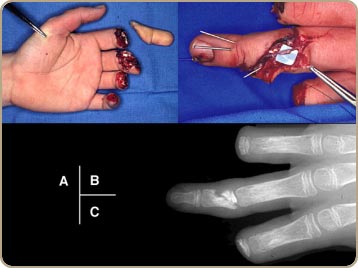
Finger & Hand Replantation
When a digit or hand is completely severed (guillotine or crush amputation), we perform a grueling sequence: repairing the bone with K-wires, repairing tendons, reconnecting arteries to restore color, repairing delicate nerves, and finally suturing veins to drain blood.
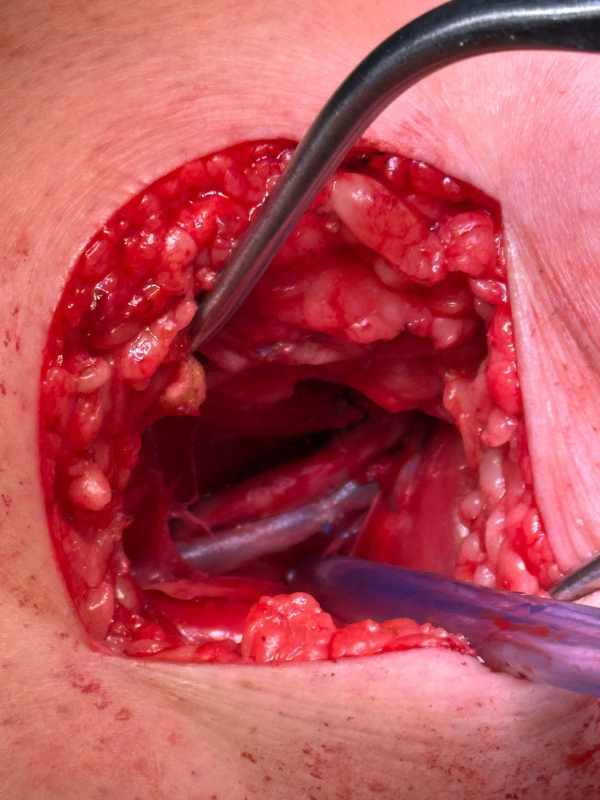
Vascular Trauma Repair
Deep lacerations from glass or machinery can slice through major arteries without amputating the limb. Left untreated, the limb below the cut will die from lack of oxygen (ischemia). We use vein grafts to bridge the damaged arterial gap and restore instant blood flow.
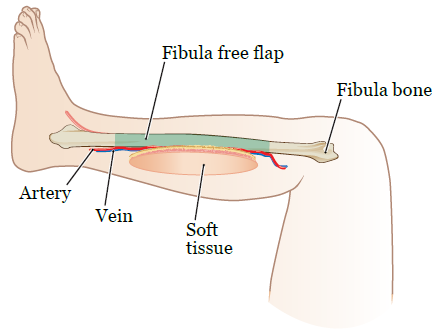
Free Tissue Transfer (Flaps)
When massive trauma or cancer leaves a huge hole in the body with exposed bone, we completely detach a block of muscle, fat, and skin from a hidden donor site (like the thigh), move it to the wound, and microscopically plumb its blood vessels into the surrounding neck or leg arteries.
The Margins of Survival
Microvascular surgery is an all-or-nothing procedure. If a single tiny clot forms inside the sutured vessel, the entire replantation will fail.
The Operating Microscope
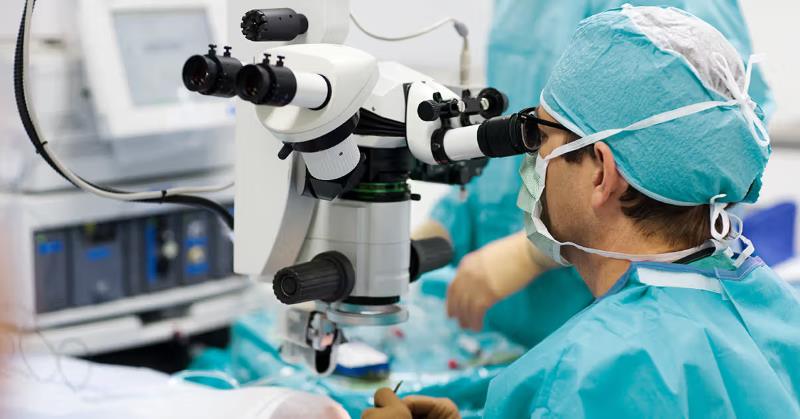
Dr. Pawan uses microscopes providing up to 40x magnification. This allows him to see the delicate inner lining of the blood vessel (the intima) and ensure the stitches are perfectly spaced without catching the back wall of the vessel.
Vein Grafting
If a vessel is crushed, pulling it together tightly will cause it to tear or clot. Dr. Pawan frequently harvests a healthy, non-essential vein from the leg or forearm to act as a "jumper cable," bridging the crushed gap with zero tension.
Post-Op Flap Monitoring
The surgery doesn't end in the OR. The patient is placed in specialized care where the replanted finger or tissue flap is monitored hourly using temperature probes and Doppler ultrasound to ensure blood is continuously flowing.