
Precision. Strength. Gliding Motion.
Restoring the Mechanical Pulleys of the Body.
Tendons are the strong, fibrous cords that connect muscle to bone, translating muscle contractions into actual movement. When a tendon is severed, that connection is lost. Dr. Pawan Shahane provides elite reconstructive repair to reconnect these vital pathways and restore fluid movement.
Schedule Trauma ConsultationThe Challenge of the "Gliding" Mechanism.
Repairing a tendon is not simply about tying two cut ends back together. In areas like the hand—often referred to by surgeons as "No Man's Land"—tendons run through incredibly tight sheaths, or tunnels. If a tendon repair is bulky, or if it heals with too much scar tissue (adhesions), the tendon will get stuck inside its tunnel, leaving the finger permanently stiff.
This is where the precision of an M.Ch. Plastic Surgeon is paramount. Dr. Pawan Shahane utilizes specialized, microscopic suturing techniques designed to create a repair that is strong enough to withstand early physical therapy, yet smooth enough to glide perfectly through its natural anatomical pulleys.
Comprehensive Tendon Reconstruction
Targeted protocols for different types of tendon trauma.
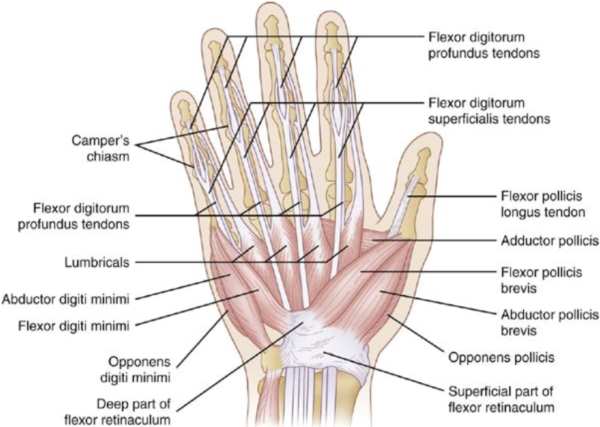
Flexor Tendon Repair
Located on the palm side of the hand, flexor tendons allow you to close your fist and grip objects. Cuts to the palm are critical emergencies. We use multi-strand core sutures to repair these tendons, restoring your ability to bend your fingers.
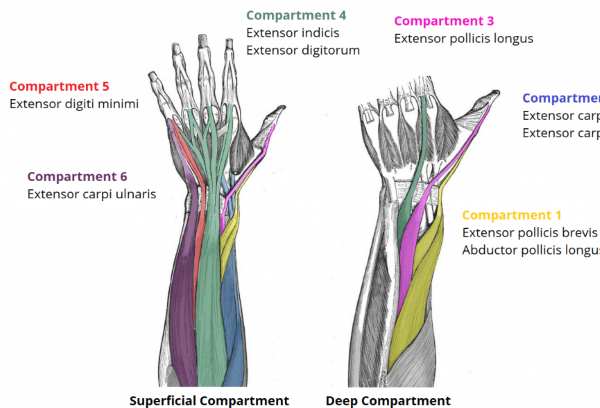
Extensor Tendon Repair
Located on the back of the hand, extensor tendons allow you to straighten your fingers. They are thin, flat, and located very close to the skin, making them highly vulnerable to lacerations. Precise repair is needed to prevent a "dropped" finger.
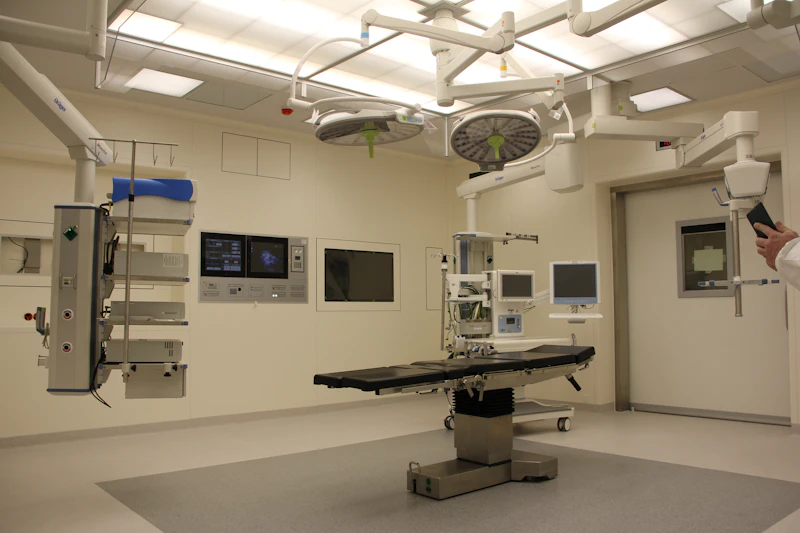
Tendon Transfer Surgery
If a tendon is completely destroyed, or a nerve injury causes permanent muscle paralysis, we can perform a tendon transfer. Dr. Pawan redirects a healthy, functioning tendon from a less critical area to take over the job of the damaged one.
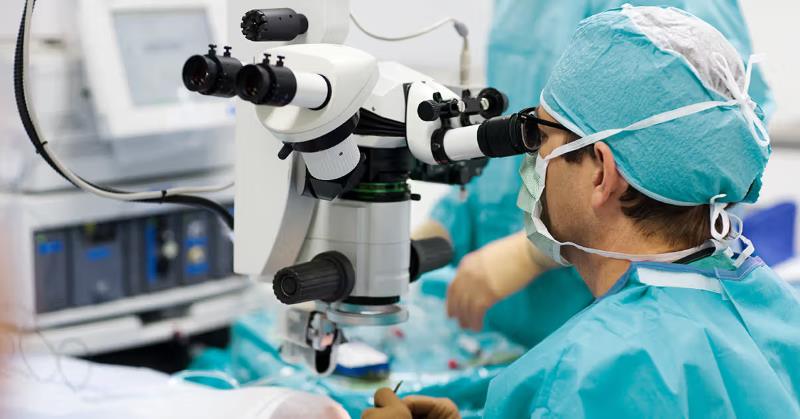
The "Early Active Motion" Philosophy
Historically, repaired tendons were kept completely immobilized in casts for weeks, leading to severe stiffness. Modern plastic surgery has changed this.
Multi-Strand Core Suturing
Using specialized, non-absorbable threads, Dr. Pawan weaves a complex pattern (like a 4-strand or 6-strand repair) inside the core of the tendon. This creates a bond strong enough to resist pulling apart during rehabilitation.
Epitendinous Smoothing
After the core is secured, a microscopic, continuous stitch is run around the outer sheath of the tendon. This acts like a "sleeve," tucking in any frayed edges and ensuring the tendon glides smoothly through its anatomical tunnel without snagging.
Early Controlled Movement
Because the repair is structurally robust, we work with specialized hand therapists to have you begin *moving* the repaired tendon within days of surgery, preventing scar tissue from gluing the tendon down.