
Awakening Sensation & Movement
Reconnecting the Electrical Pathways of the Body.
Nerves are the vital cables that transmit signals for touch and movement. When severed or crushed, the result is instant numbness and paralysis. M.Ch. Plastic Surgeon Dr. Pawan Shahane applies elite micro-neural surgery to repair these pathways and restore function.
Emergency Trauma ContactThe Challenge of Nerve Regeneration.
Unlike bone, which heals relatively quickly, nerve tissue is profoundly delicate and regenerates at a painfully slow rate—approximately 1 millimeter per day. If a nerve in the wrist is severed, it can take months for the regenerating fibers to reach the fingertips. During this time, the muscles that depend on that nerve begin to atrophy (waste away).
This makes nerve surgery a race against time. Dr. Pawan Shahane's primary goal is to provide a microscopic, perfectly aligned tunnel for these regenerating nerve fibers to grow through. Whether treating a simple laceration or a devastating Brachial Plexus injury, absolute precision under a microscope is the only way to ensure the signals eventually reach their destination.
Comprehensive Nerve Reconstruction
Advanced techniques tailored to the severity of the deficit.
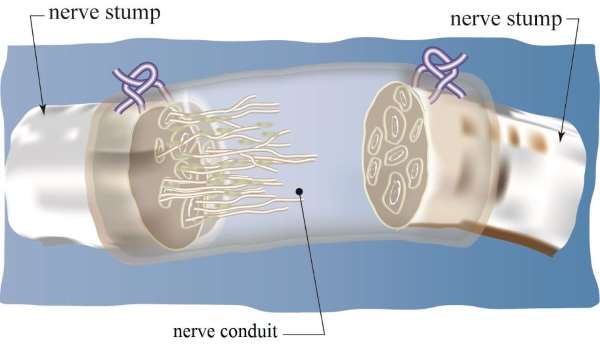
Primary Nerve Repair
For clean cuts (lacerations) where the nerve ends can still reach each other, we perform a primary repair. Under high magnification, the outer sheath of the severed nerve is meticulously stitched together to create a smooth path for regeneration.
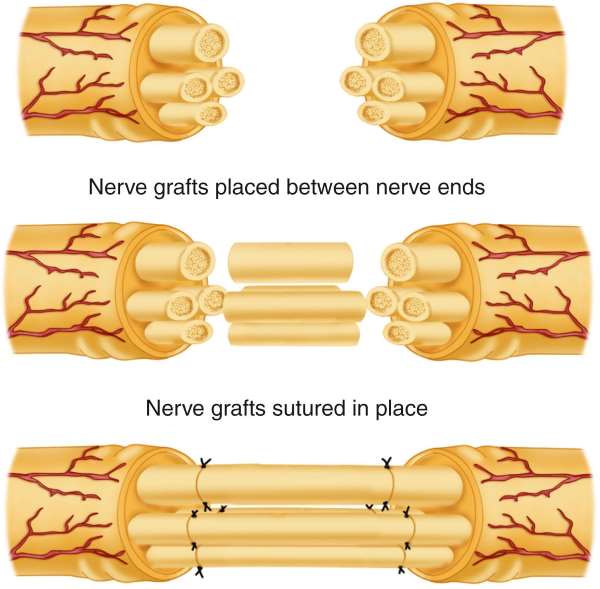
Nerve Grafting
If a severe crush injury or delayed treatment leaves a large gap between the nerve ends, they cannot be pulled together. Dr. Pawan will harvest a less critical sensory nerve (usually from the leg) to act as a biological "bridge" to connect the gap.
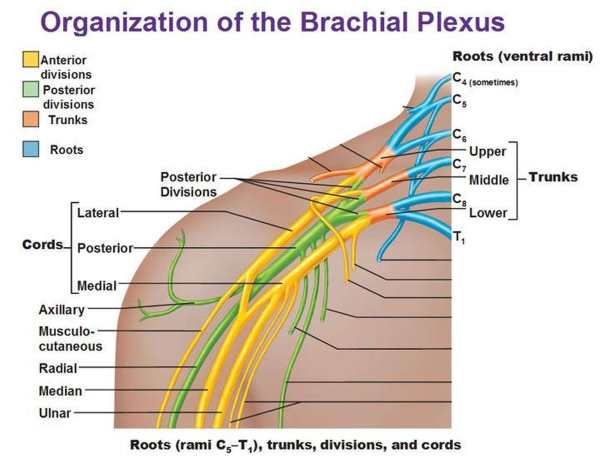
Brachial Plexus Reconstruction
The Brachial Plexus is the complex web of nerves in the neck that controls the entire arm. High-impact trauma (like motorcycle accidents) can tear these nerves from the spinal cord. We use advanced nerve transfers to "rewire" healthy nerves into the paralyzed muscles of the arm.
The "Fascicular" Advantage
A nerve is not a single wire; it is a bundle of hundreds of tiny, separate cables called fascicles, much like a thick telecommunications cable.
Microscopic Alignment
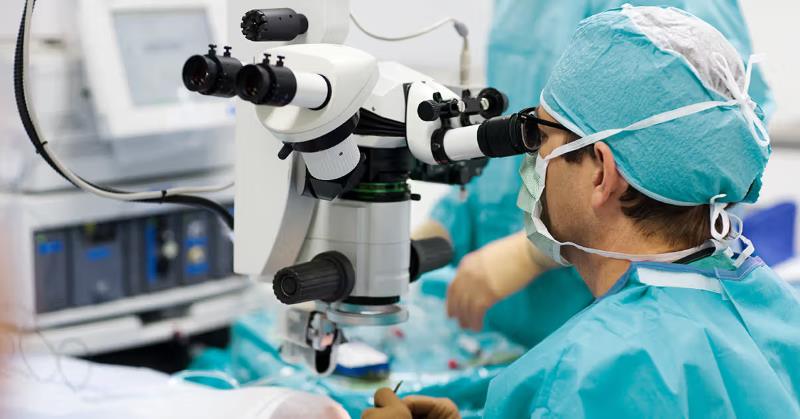
If a nerve is stitched together misaligned, the motor fibers (which control muscle) might grow into sensory channels (which feel touch), resulting in permanent failure. Dr. Pawan uses surgical microscopes to align the inner fascicles perfectly before suturing.
Tension-Free Repair
Nerves cannot heal under tension. If the repair is pulled too tight, blood flow to the nerve stops and scar tissue forms, blocking regeneration. We utilize specialized grafts and positioning to ensure the repair is completely relaxed.
Neuroma Prevention
If a nerve is cut and left untreated, it will attempt to grow but form a tangled, highly painful ball of nerve endings called a neuroma. Proper micro-repair guides this growth, preventing severe chronic pain.