
The Future of Plastic Surgery
Engineering Perfection. Millimeter Precision.
Moving beyond "freehand" surgery. Dr. Pawan Shahane integrates advanced Virtual Surgical Planning (VSP) and Custom 3D-Printed Implants to achieve flawless symmetry in complex facial trauma and aesthetic contouring.
Consult for 3D PlanningPre-Planning the Perfect Result.
In traditional plastic and reconstructive surgery, surgeons rely on 2D x-rays and their artistic eye during the operation to shape bone and tissue. While effective, the human face is a complex, three-dimensional structure where a single millimeter of asymmetry is instantly visible.
At Mayflower Clinic, we eliminate the guesswork. Using high-resolution CT scans, we generate a perfect digital replica of your skull and facial bones. Dr. Pawan performs the entire surgery virtually on a computer beforehand. This allows us to design and 3D-print bespoke titanium implants, cutting guides, and bone models that fit your unique anatomy with absolute perfection.
Applications of 3D Surgical Technology
Where digital engineering meets surgical artistry.
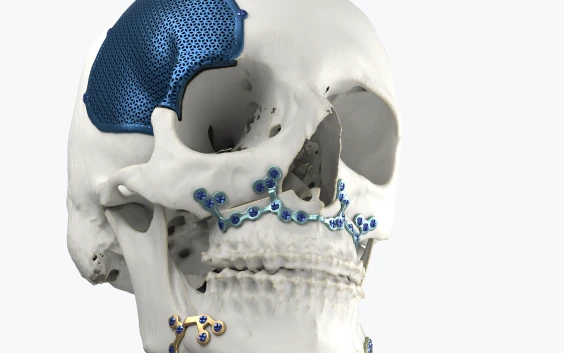
Complex Facial Trauma
When high-impact accidents shatter the jaw, cheekbones, or eye sockets, piecing the fragments together is incredibly difficult. We 3D-print a model of your broken skull and pre-bend the titanium fixation plates on the model, ensuring perfectly symmetrical facial restoration in the OR.
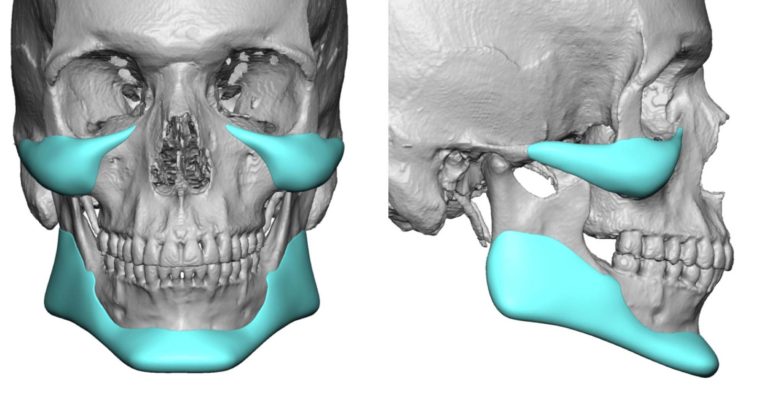
Bespoke Aesthetic Implants
Standard, off-the-shelf facial implants rarely fit perfectly. For jawline enhancement, cheek augmentation, or chin projection, we CAD-design and 3D-print custom PEEK or solid silicone implants that snap onto your exact bone structure with zero gaps or shifting.
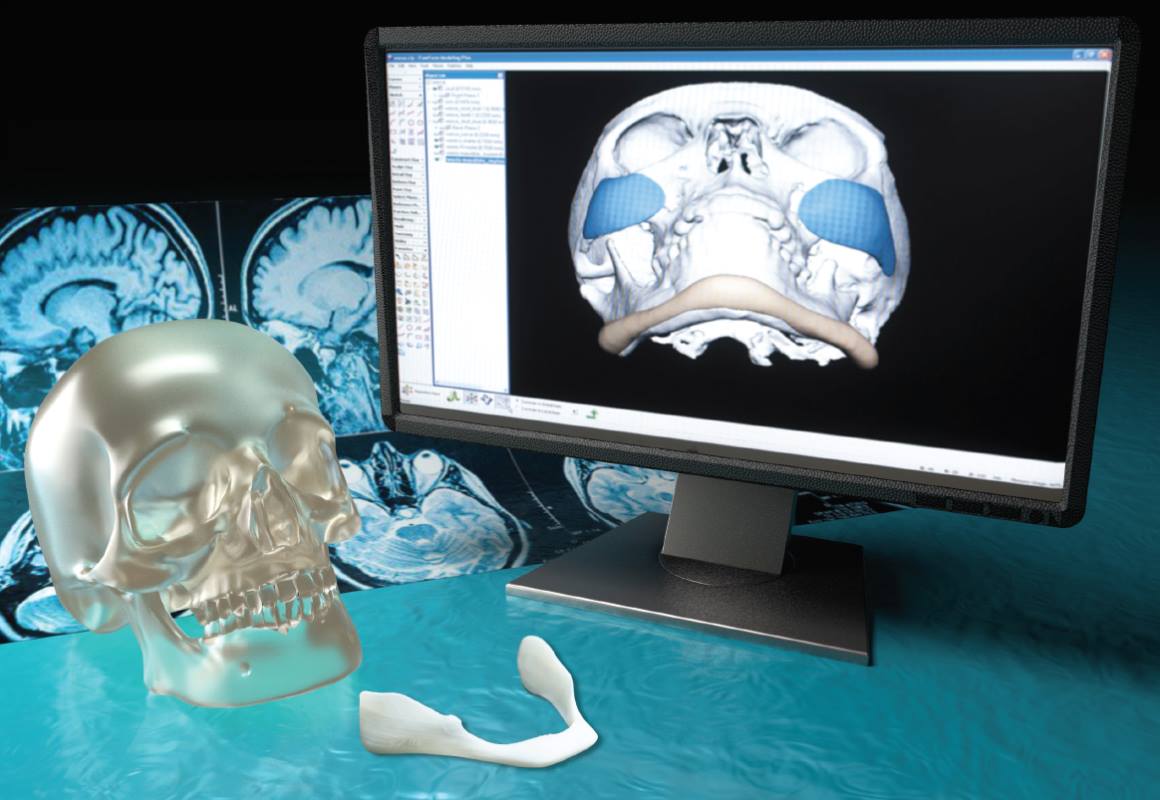
Oncoplastic Reconstruction
When cancer requires the removal of the jawbone, we use Virtual Surgical Planning to map out exactly how much bone to take from your leg (Fibula flap). We 3D-print surgical cutting guides that tell us the precise angles to cut, so the new bone forms a perfect new jawline.
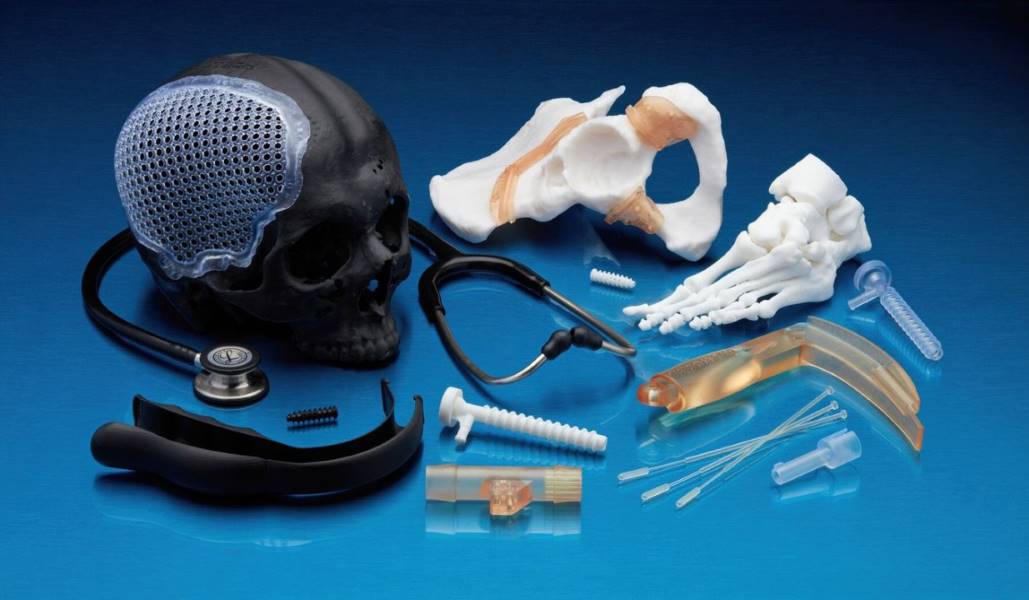
The Benefits of Virtual Engineering
Integrating bio-medical engineering into plastic surgery provides unparalleled advantages for the patient.
Flawless Symmetry
In cases where one side of the face is damaged or underdeveloped, software can "mirror" the healthy side and generate a perfectly symmetrical 3D implant or surgical template to reconstruct the defective side.
Reduced Surgery Time
Because all the critical thinking, measuring, and plate-bending is done before the surgery even begins, patients spend significantly less time under anesthesia, leading to safer procedures and faster recoveries.
Predictable Aesthetic Outcomes
Patients no longer have to blindly trust the process. Virtual planning allows you to see the proposed structural changes on a computer screen before committing to the surgery.