
Limb Salvage. Restorative Integrity.
Salvaging Limbs, Rebuilding Lives.
Severe leg trauma often involves extensive tissue loss, exposing bone, joints, or vital implants. M.Ch. Plastic Surgeon Dr. Pawan Shahane utilizes advanced skin grafting and complex free flap surgery to cover these defects, prevent amputation, and restore mobility.
Emergency Trauma ContactThe Challenge of Lower Limb Reconstruction.
Road traffic accidents or severe falls can result in catastrophic injuries to the legs. Often, there is a mismatch between the amount of damaged bone and the amount of healthy soft tissue (skin and muscle) remaining to cover it. If exposed bone is not covered quickly with vascularized tissue, infection sets in, the bone dies, and amputation may become the only option.
At Mayflower Clinic, we specialize in "limb salvage." Dr. Pawan Shahane applies intricate reconstructive techniques to transplant healthy tissue from one part of your body to the damaged leg. Our goal is to create a stable, durable wound closure that not only saves the leg but allows for future weight-bearing and walking.
Specialized Wound Closure Techniques
From simple grafting to complex free tissue transfer.
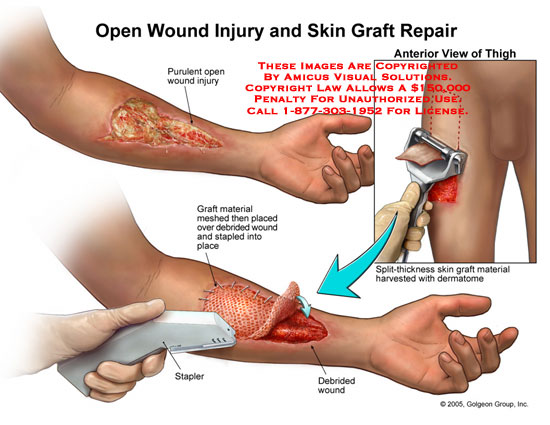
Skin Grafting (STSG)
A graft is a "shaving" of healthy skin (usually from the thigh) that is moved to cover a superficial wound that has a good blood supply. It is used when there is no exposed bone, tendon, or hardware.
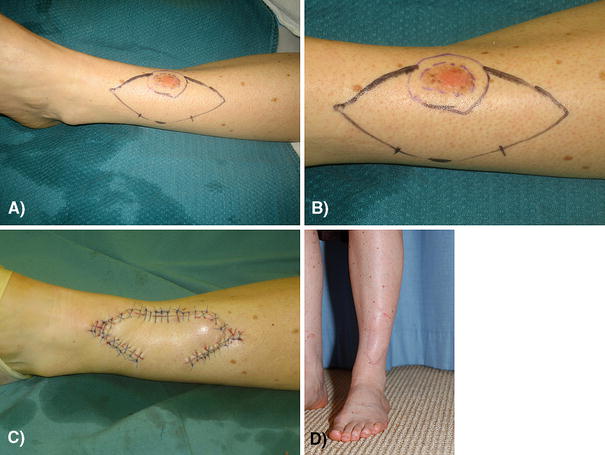
Pedicled & Rotational Flaps
A flap is a thicker piece of tissue (skin and muscle) that carries its own blood supply. A "pedicled" flap is detached from everything except its main artery and vein, and then rotated locally to cover a nearby defect, such as an exposed knee joint.
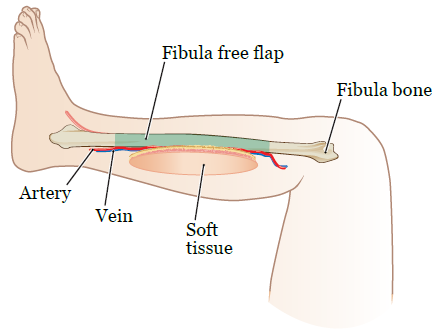
Free Flap Surgery (Microsurgery)
When there is no healthy tissue near the wound, Dr. Pawan performs a "free flap." Tissue is completely detached from a donor site (like the back or thigh), moved to the leg, and its tiny artery and vein are reconnected to the leg's blood vessels under a microscope to ensure survival.
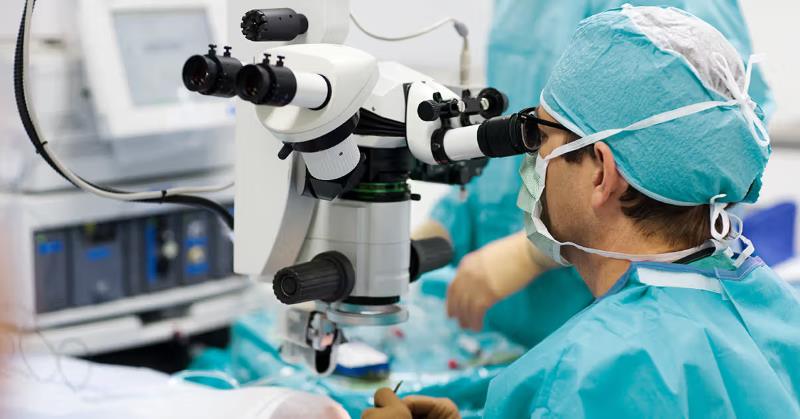
Limb Salvage Through Microsurgery
Free flap surgery is the pinnacle of reconstructive plastic surgery, often serving as the absolute last resort to save a leg.
Micro-Vascular Anastomosis
Using high-powered magnification and sutures thinner than a human hair, Dr. Pawan meticulously connects arteries and veins that are 1mm to 2mm in diameter. This critical step provides the transplanted tissue with the fresh blood supply needed to survive.
Covering Complex Defects
Free muscle flaps (like the Latissimus Dorsi from the back) provide bulky, highly vascularized coverage that is essential for filling large "dead spaces" around shattered bones or covering orthopedic metal hardware to prevent infection.
Durable Closure
Unlike skin grafts, which can be fragile, muscle flaps provide a robust, cushioned surface. This is vital for the lower leg and foot, which must eventually withstand the pressure and friction of walking and wearing shoes.