
Urgent Care. Lifelong Preservation.
Critical Management of Acute Burn Injuries.
The first 48 hours following a severe burn determine a patient's long-term mobility and appearance. M.Ch. Plastic Surgeon Dr. Pawan Shahane provides highly specialized, sterile acute burn care to prevent infection, manage pain, and proactively stop severe scarring.
Emergency Burn ContactWhy a Plastic Surgeon for Acute Burns?
Burn injuries are uniquely devastating. They not only destroy the skin's protective barrier against infection, but as they heal, burn scars tend to shrink and tighten dramatically. If a burn crosses a joint (like the neck, shoulder, or fingers), this tightening can permanently freeze the joint in place—a condition known as a contracture.
While general hospital wards focus primarily on survival, Dr. Pawan Shahane’s approach to acute burn care looks ahead. From day one, we utilize advanced biologic dressings, early surgical excision of dead tissue, and precise skin grafting to ensure that the patient not only survives the burn but retains their mobility, independence, and form.
Comprehensive Burn Management
Targeted protocols for thermal, chemical, and electrical injuries.
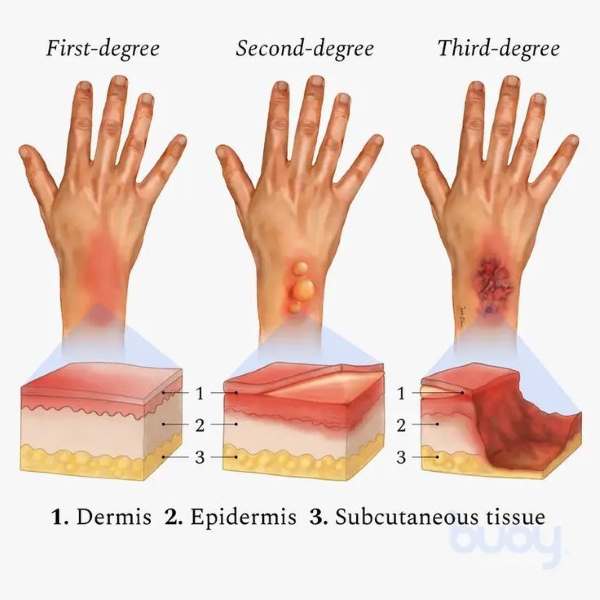
Assessment & Resuscitation
Immediate evaluation of burn depth (1st, 2nd, or 3rd degree) and Total Body Surface Area (TBSA). We initiate aggressive fluid resuscitation protocols to stabilize the patient's vitals and maintain kidney function.
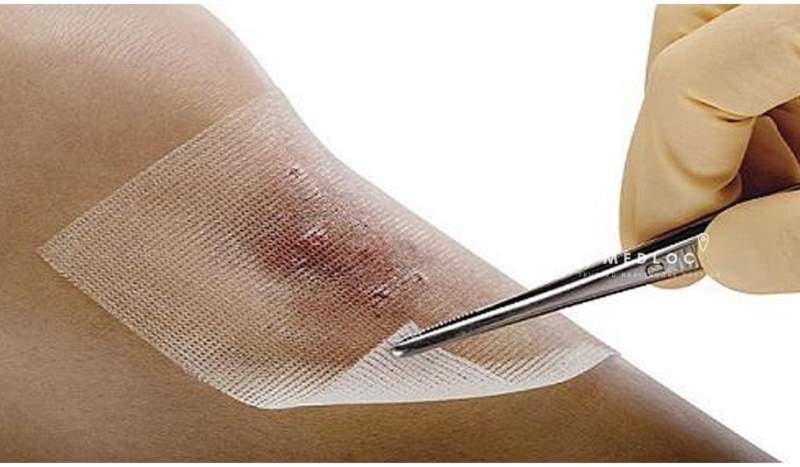
Sterile Debridement & Dressings
Infection is the greatest risk in burn care. We meticulously clean the wound in a sterile environment and apply advanced biologic dressings (like collagen or silver-impregnated meshes) that soothe pain and accelerate healing.
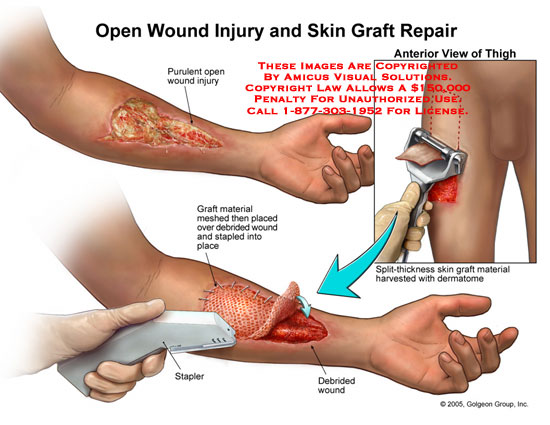
Early Excision & Grafting
For deep 2nd and 3rd-degree burns, waiting for them to heal naturally leads to massive scarring. We surgically remove the dead tissue (eschar) within the first few days and immediately cover it with healthy skin grafts.
Advanced Surgical Protocols
The modern standard of care dictates that deep burns require highly specialized surgical intervention, not just daily dressing changes.
Escharotomy
Severe burns can create a tough, leathery skin (eschar) that acts like a tourniquet. If this forms around a limb or the chest, it cuts off blood flow or breathing. We perform emergency surgical releases (escharotomies) to restore circulation instantly.
Split-Thickness Skin Grafts (STSG)
Using a highly precise instrument called a dermatome, we harvest a micro-thin layer of healthy skin from a donor site (usually the thigh) to permanently cover and seal the burn wound, dramatically reducing healing time.
Splinting & Positioning
From the moment of admission, we apply custom splints to the hands, neck, or limbs to hold them in a stretched position. This prevents the forming scar tissue from permanently bending the joints.